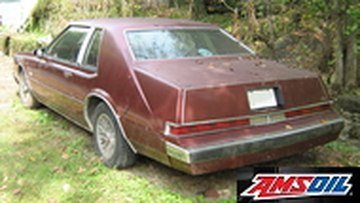
Engine Oil Maintenance for the 1983 Chrysler Imperial 5.2L
Maintaining the lubrication system is a fundamental aspect of vehicle ownership. For owners of the 1983 Chrysler Imperial equipped with the 5.2L engine, regular attention to oil and filtration ensures that internal engine components remain protected from friction and contaminants.
What oil filter is listed for my 1983 Chrysler IMPERIAL 5.2L?
The following oil filters are listed for this vehicle: the EAO42-EA from AMSOIL Ea Oil Filters and the 51068-EA from WIX Oil Filter.
Understanding Engine Oil Functions
Engine oil serves several critical roles within the 5.2L engine. Primarily, it provides a thin film of lubrication between moving metal parts, such as pistons, crankshaft bearings, and camshaft lobes. This film prevents direct metal-to-metal contact, which would otherwise cause rapid wear and heat buildup. Beyond lubrication, the oil helps to carry heat away from high-temperature zones in the combustion chamber and distributes it through the oil pan and cooler.
Additionally, engine oil acts as a cleaning agent. As it circulates, it picks up microscopic debris, carbon deposits, and soot produced during the combustion process. This debris is then carried to the oil filter, where it is trapped to prevent it from recirculating through the engine. Finally, oil helps to dampen noise by providing a hydraulic cushion between components.
The Role of the Oil Filter
An oil filter is a vital component of the lubrication circuit. Its primary purpose is to remove contaminants that could score cylinder walls or damage delicate bearing surfaces. When selecting a replacement filter from the listed options, such as the EAO42-EA or 51068-EA, it is important to ensure the filter is installed correctly to prevent leaks.
During an oil change, it is standard practice to inspect the old filter for signs of improper installation or excessive debris. A filter that is clogged can lead to a decrease in oil pressure or cause the bypass valve to open, which allows unfiltered oil to circulate through the engine to prevent total starvation. While this protects against immediate seizure, it allows contaminants to pass through the system.
Engine Oil Viscosity Considerations
Viscosity refers to a fluid's resistance to flow. In an internal combustion engine, the viscosity must be sufficient to maintain a protective film under high temperatures and loads, yet thin enough to flow quickly during a cold start to reach upper engine components immediately. For this specific 1983 Chrysler Imperial application, 10W-30 is the database-allowed viscosity.
Using the correct viscosity helps ensure that the oil pump can effectively move fluid through the narrow oil galleries of the engine. If an oil is too thick, it may not reach critical components quickly enough during startup; if it is too thin, the protective film may break down under high operating temperatures. Always refer to the manufacturer's documentation for specific requirements regarding oil weight and performance ratings.
Monitoring Oil Levels and Condition
Regularly checking the engine oil level using the dipstick is one of the simplest ways to monitor engine health. Low oil levels can lead to increased friction, overheating, and potential mechanical failure. Owners should check the oil level when the vehicle is parked on level ground and the engine is cool or has been sitting for a sufficient amount of time to allow the oil to settle in the pan.
Beyond the quantity of oil, the condition of the oil provides clues about engine operation. Oil that appears excessively dark or contains a gritty texture may indicate that service is overdue or that there is an accumulation of combustion byproducts. While some darkening is normal in older engines, significant changes in color or smell should be noted during routine inspections.
General Maintenance Best Practices
To maintain the longevity of the 5.2L engine, oil and filter changes should be performed according to the manufacturer's maintenance schedule. Following the specific intervals provided in the owner's manual ensures that the oil does not lose its chemical effectiveness due to oxidation or additive depletion.
When performing an oil change, ensure that all drain plugs are tightened to the appropriate tension and that the new filter gasket is properly lubricated with fresh oil before installation. This prevents the gasket from binding or tearing during the next service. Keeping a clean workspace and disposing of used oil and filters at an authorized recycling center is also essential for responsible vehicle maintenance.
BUYING ENGINE OIL
When you are ready to purchase lubrication for your vehicle, focus on selecting products that meet the specific requirements of your engine. Look for containers that clearly state the viscosity and any necessary additive packages. It is best to purchase oil from reputable retailers to ensure the product has been stored correctly and has not been contaminated. Always verify that the product matches the specifications required for your 1983 Chrysler Imperial before completing your purchase.